


Managing your cardiovascular well-being is a vital part of a healthy life. A significant number of adults in the United States live with elevated readings, a major factor in heart disease. This condition is often called a “silent” issue because many people are unaware they have it.
Exploring supportive options can be a proactive step. Certain additions to your diet may offer benefits. It’s important to remember these are helpers, not replacements for a doctor’s care or prescribed treatments. They work best alongside positive lifestyle choices.
This guide will explore various options that research suggests can contribute to healthy circulation. We will cover vitamins, minerals, and herbal choices. Our goal is to provide clear, evidence-based information to help you make informed decisions about your health, always in partnership with your healthcare provider.
Key Takeaways
- High blood pressure is a widespread but often unnoticed health concern.
- Dietary additions can play a supportive role in managing cardiovascular wellness.
- These options should complement, not replace, medical advice and a healthy lifestyle.
- Consulting a doctor before starting any new regimen is essential, especially if you take medication.
- This article focuses on evidence-based information to empower your health choices.
Understanding High Blood Pressure
Getting a clear picture of your blood pressure numbers is the first step toward cardiovascular awareness. This measurement provides a snapshot of the force exerted on your artery walls.
It is a key indicator of how hard your heart is working.
What Do the Numbers Mean?
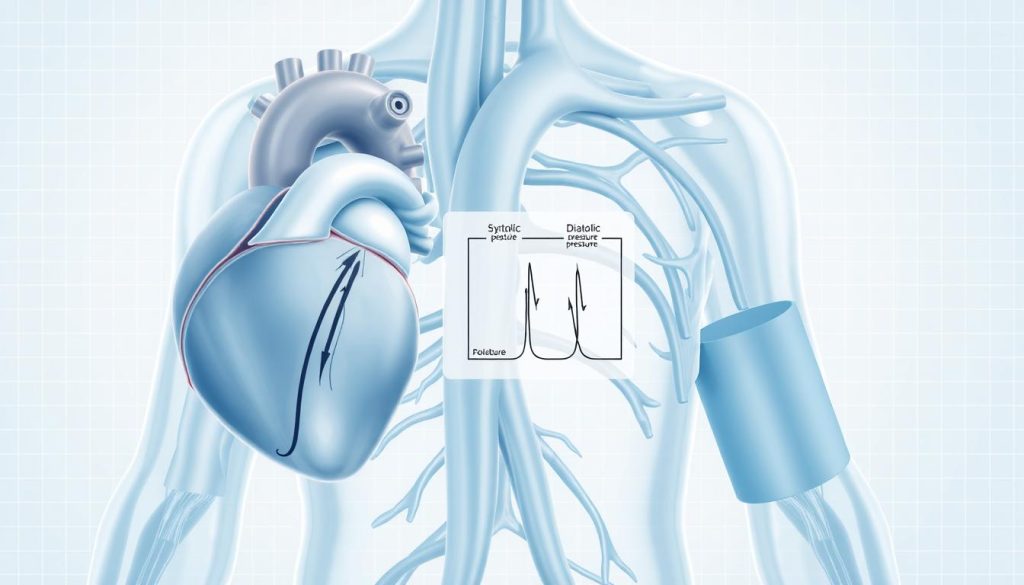
A reading consists of two figures. The top number, called systolic pressure, measures the force when your heart beats and pumps blood. The bottom number, diastolic pressure, measures the pressure when your heart rests between beats.
A healthy reading for adults is typically below 120/80 mm Hg. A consistent reading of 130/80 mm Hg or higher indicates a concern. Both numbers are equally critical for assessing your overall health status.
Potential Health Risks Involved
When blood travels through arteries at a higher-than-normal pressure, it can strain your entire system. This condition often develops quietly, with no obvious signs.
Over time, sustained elevated pressure can damage blood vessels and vital organs. This increases the risk for serious issues like heart disease, stroke, and kidney problems. Regular monitoring is essential because many individuals are unaware they have this condition.
Fortunately, positive lifestyle choices can significantly influence these numbers, making it a leading modifiable factor for your well-being.
The Role of Natural Supplements in Heart Health
When considering additions to support your circulatory system, two critical factors are product purity and professional guidance. These elements work together to ensure your approach is both safe and effective.
Selecting Quality, Third-Party Tested Options
Not all products are created equal. In the United States, dietary additions are not regulated with the same rigor as prescription drugs.
This makes third-party verification crucial. Look for seals from organizations like USP, NSF International, or ConsumerLab. These certifications confirm that what’s on the label is actually in the bottle, free from unwanted fillers or additives.
Choosing a verified product helps you avoid ineffective doses or potential contaminants.
Consulting Healthcare Professionals
Always talk to your doctor before starting any new regimen. This is especially important if you take medication for your blood pressure or other conditions.
Proper dosing is key. Taking too little may not help lower your numbers, while too much can cause adverse effects.
Certain groups of people need to be particularly cautious, including those with kidney issues or who are pregnant. Your healthcare provider can help you navigate these choices safely, ensuring any new addition complements your overall health plan.
Vitamin D: Boosting Heart Health
Emerging research reveals an intriguing connection between adequate vitamin D levels and maintaining healthy circulatory function. Often called the sunshine vitamin, this nutrient does more than support strong bones.
Key Research Findings and Benefits
Studies consistently show that individuals with hypertension tend to have lower vitamin D levels. A comprehensive 2025 meta-analysis in BMC Complementary Medicine and Therapies examined 24 studies and found significant results.
The analysis demonstrated that vitamin D supplementation significantly reduced both systolic and diastolic readings. Higher blood levels of this vitamin appear to offer protective effects against developing elevated pressure.
Testing your levels first is crucial before starting any regimen. Individual needs vary greatly, and excessive amounts can cause health problems.
You can obtain vitamin D through sunlight exposure, fortified foods like milk, or supplements. The D3 form is generally more effective than D2 for raising blood levels.
Working with your healthcare provider ensures you take the right dose for your specific situation. This approach maximizes benefits while maintaining safety.
B Vitamins: A Closer Look at Blood Pressure Support
The relationship between B vitamins and circulatory wellness involves genetic factors and direct vascular effects. These nutrients work through different mechanisms to support healthy cardiovascular function.
Research shows specific B vitamins can help lower blood pressure in targeted populations. Vitamin B2 (riboflavin) is particularly effective for adults with MTHFR gene mutations.
Vitamin B2, Folate, and Blood Vessel Health
People with these genetic variations process folate differently, increasing high blood pressure risk. Riboflavin supplementation may help address this specific concern.
Folate and folic acid (vitamin B9) offer cardiovascular benefits for those with heart conditions. These nutrients also provide dual protection during pregnancy.
They reduce the risk of birth abnormalities while lowering chances of gestational hypertension. The CDC recommends 400 micrograms daily for women who may become pregnant.
B vitamins support blood vessel health by maintaining endothelial function. They help reduce homocysteine levels in the body, which can damage vascular walls when elevated.
You can find these nutrients in leafy greens, legumes, fortified grains, and animal products. Always consult your doctor before starting any new regimen.
Potassium for Blood Pressure Regulation
Among minerals that support cardiovascular wellness, potassium stands out for its direct impact on circulatory balance. This essential mineral works through two main pathways to help maintain healthy vascular pressure.
How Potassium Helps Balance Sodium Levels
Potassium acts as a natural counterbalance to sodium in your system. When sodium intake is high, it can cause the body to retain excess fluid. This increases the pressure within blood vessels.
The mineral helps your kidneys remove sodium through urine. It also promotes relaxation of blood vessel walls. Both actions contribute to maintaining optimal circulatory pressure.
Research from a 2017 review showed that increasing potassium intake can help lower blood pressure. The benefits were most noticeable in people with high-sodium diets.
Dietary Sources Versus Supplementation
You can boost your potassium levels through food or supplements. Many delicious options are rich in this mineral.
Excellent food sources include:
- Dried apricots and prunes
- Spinach and tomatoes
- Avocados and mushrooms
- Low-fat yogurt and milk
Food sources are generally preferred over supplements. They provide additional nutrients and are safer for most people. However, individuals with kidney conditions should be cautious with high-potassium foods and avoid supplements without medical guidance.
Always consult your healthcare provider before making significant changes to your potassium intake.
CoQ10 and Vitamin C: Antioxidant Power
Exploring antioxidant support brings us to two nutrients that work differently but share a common goal of vascular protection. Coenzyme Q10 (CoQ10) is a vitamin-like substance your body produces naturally. Vitamin C is a water-soluble nutrient essential for many bodily functions.
Reviewing Scientific Evidence on Effects
Research on CoQ10 shows mixed results. A 2022 study found these supplements significantly reduced systolic readings. However, a 2016 Cochrane review found less conclusive evidence. More high-quality studies are needed to determine the exact effects.
Vitamin C research appears more consistent. A review of 8 studies showed that taking 300-1,000 milligrams per day significantly helped people with hypertension. The antioxidant properties support blood vessel health and may improve endothelial function.
Safety and Dosage Considerations
CoQ10 levels can decline with age or certain medications like statins. Typical doses range from 100-200 milligrams daily. Vitamin C is generally safe at recommended levels. Most adults can tolerate up to 2,000 milligrams per day.
Always consult your healthcare provider before starting any new regimen. They can help determine appropriate amounts based on your individual needs and health status.
Herbal Allies: Beetroot and Garlic
Two botanical options with impressive research backing for circulatory support are beetroot and garlic. These traditional remedies now have modern scientific validation for their cardiovascular benefits.
Supporting Blood Flow and Vascular Function
Beetroot works through its high nitrate content. Your body converts these nitrates into nitric oxide, which relaxes and widens blood vessels. This improves blood flow throughout your system.
Athletes often use beetroot supplements to enhance performance. Research shows they can help reduce blood pressure in people with and without hypertension. The improved circulation benefits everyone.
Garlic has an equally impressive profile. A review of 12 studies found garlic supplements lowered systolic pressure by 8.3 mmHg and diastolic by 5.5 mmHg. These results are comparable to some prescription medications.
The cardiovascular protection is significant. This reduction in blood pressure may decrease heart disease risk by up to 40%. It specifically lowers chances of stroke and heart attack.
Always consider safety when using these options. Garlic can increase bleeding risk, especially for people on blood-thinning medications. Consult your healthcare provider before starting any new regimen.
Omega-3 Fatty Acids and Probiotics for Heart Wellness
Omega-3s from fish and probiotics from fermented foods work through distinct pathways to benefit vascular health. These two approaches offer complementary support for your circulatory system.
Exploring Omega-3 Benefits
Fish oil contains essential fatty acids that support cardiovascular function. Research shows these compounds can help reduce inflammation and improve lipid profiles.
A 2022 review found optimal intake for circulatory support is 2-3 grams per day. Higher doses may offer additional benefits for those at risk.
Eating fatty fish like salmon twice weekly provides these fatty acids. Supplements offer a convenient alternative when dietary intake is insufficient.
Probiotic Research and Heart Health
Beneficial gut bacteria influence circulatory function through multiple pathways. A 2020 analysis showed probiotic supplements significantly improved readings compared to control groups.
These microorganisms may help reduce inflammation and support vascular health. More studies are needed to identify optimal strains and dosages.
Always consult your healthcare provider before starting new regimens. This is especially important if you take blood-thinning medications.
Lifestyle Changes to Enhance Supplementation
To maximize the benefits of circulatory support, it’s essential to integrate them into a comprehensive wellness plan. These positive habits create a foundation that amplifies their effectiveness.
Dietary Adjustments and the Mediterranean Diet
The Mediterranean eating pattern stands out for cardiovascular wellness. Focus on fruits, vegetables, whole grains, and healthy fats. Limit sodium to under 2,300 milligrams per day.
Increase potassium-rich foods like bananas, sweet potatoes, and avocados. These help balance sodium levels in your body. Read labels carefully and cook more meals at home.
Exercise, Stress Relief, and Weight Management
Aim for 150 minutes of moderate activity weekly. Even 15 minutes daily can help reduce pressure. Physical movement supports overall heart health.
Chronic stress elevates cortisol, which may also affect your numbers. Try meditation, walking, or nature time for relief. Managing weight is crucial since excess pounds increase risk.
Quitting smoking protects blood vessels from damage. This significantly lowers your chances of developing high blood pressure over time.
best natural supplements for blood pressure
Putting together the evidence from our exploration reveals clear front-runners in circulatory support. Research consistently highlights specific nutrients with strong scientific backing.
Magnesium stands out for its impressive research profile. A 2024 umbrella meta-analysis examined 10 review papers involving 8,610 participants.
This comprehensive research found that magnesium supplementation for at least 12 weeks decreased both systolic and diastolic readings. Doses of at least 400 milligrams showed particularly strong results.
How These Options Work
Magnesium helps by increasing nitric oxide levels. This compound dilates blood vessels, reducing pressure within them.
You can find this mineral in foods like spinach, almonds, and pumpkin seeds. However, taking too much can cause issues and interact with medications.
Practical Implementation
Dietary fiber is another often-overlooked supporter. Research suggests that about 12 grams daily may help reduce readings.
The FDA recommends 25 grams of fiber per day for overall health. This approach supports both heart and gut wellness.
When considering any new regimen, always consult your healthcare provider first. They can help determine appropriate dosing and monitor your response through regular checks.
Conclusion
Your journey toward better heart health is empowered by informed choices and professional guidance. Research shows certain additions to your routine, like vitamin D and magnesium, may help lower blood pressure when used as part of a complete wellness strategy.
These options work most effectively alongside positive lifestyle habits. A balanced diet, regular activity, and stress management amplify their benefits. Quality selection matters since these products aren’t FDA-regulated like medications.
Always consult your healthcare provider before starting any new regimen. This ensures safety and effectiveness, especially if you take other medications. With the right combination of approaches, you can take meaningful steps toward supporting your cardiovascular wellness.