


Welcome to your guide for taking charge of your cardiovascular well-being. Many individuals face the challenge of high blood pressure without even realizing it, since this condition often shows no obvious symptoms.
According to cardiologist Dr. R. Kannan Mutharasan from Northwestern Medicine, specific diet and lifestyle changes can be as powerful as one or two blood pressure pills. For those with elevated readings that aren’t extremely high, doctors frequently recommend trying three months of lifestyle modifications before considering pharmaceutical options.
Dr. Lola Ojutalayo from Mass General Brigham confirms that making these adjustments can lower blood pressure by five to ten points. This improvement might eliminate the need for medication entirely or reduce the required dosage.
This comprehensive approach focuses on sustainable methods that work together synergistically. You’ll discover practical strategies that millions of people have successfully implemented to improve their health outcomes.
Managing hypertension through natural means is an achievable goal with proper guidance and commitment. This evidence-based resource provides actionable steps you can start implementing today.
Key Takeaways
- Lifestyle modifications can be as effective as medication for many individuals
- High blood pressure often has no symptoms but carries serious health risks
- Doctors frequently recommend trying lifestyle changes before starting medication
- Proper adjustments can lower systolic readings by five to ten points
- Natural management focuses on diet, exercise, and stress reduction
- These approaches work together for maximum benefit
- Sustainable changes can lead to long-term health improvements
Understanding High Blood Pressure and Its Risks
Blood pressure measurements tell an important story about your cardiovascular system’s health. Those two numbers provide valuable insight into how hard your heart is working to pump blood throughout your body.
What Is High Blood Pressure?
Your reading includes systolic pressure (the top number) and diastolic pressure (the bottom number). Systolic measures pressure when your heart beats, while diastolic measures pressure between beats.
Normal readings are below 120/80. Elevated levels range from 120-129/
This condition develops when there’s excessive force against artery walls as blood circulates.
Associated Cardiovascular and Organ Health Risks
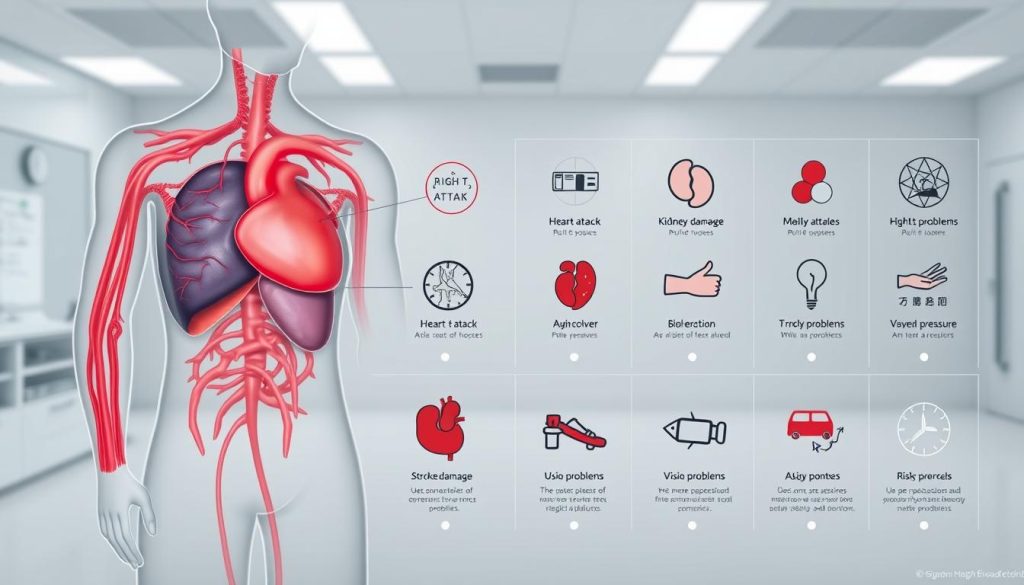
High blood pressure is often called a “silent killer” because it typically shows no obvious symptoms. Yet it quietly damages organs over time.
Uncontrolled hypertension significantly increases your risk of heart attack, heart failure, and stroke. It can also lead to kidney disease, vision loss, and dementia.
Regular monitoring helps catch elevated readings early. Working with your doctor can prevent permanent damage to your vital organs.
how to control blood pressure naturally: Lifestyle Changes That Work
Implementing sustainable lifestyle changes forms the foundation of managing elevated readings. These modifications work together to support your overall health.

Dr. Mutharasan emphasizes that any dietary approach leading to weight reduction can help lower blood pressure. Finding what works sustainably for you is key.
Dietary Modifications for Heart Health
A heart-healthy eating pattern focuses on whole foods. Fruits, vegetables, and lean proteins support cardiovascular function while limiting sodium intake.
Exercise and Weight Management as Natural Remedies
Regular physical activity strengthens your cardiovascular system. Aim for 150 minutes weekly to maintain healthy vessel function.
Even modest weight loss can significantly impact your readings. This is especially true for abdominal weight reduction.
Stress and Medication Considerations
While lifestyle changes are powerful, some individuals may still need medication. This combination approach ensures optimal management.
Stress reduction techniques and quality sleep complement dietary and exercise efforts. Small, consistent improvements create meaningful benefits over time.
Key Nutrients and Foods for a Heart-Healthy Diet
Your plate holds powerful tools for supporting healthy blood flow. Specific nutrients work together to maintain optimal cardiovascular function.
Choosing the right foods can make a significant difference in your wellness journey. These dietary components act like natural helpers for your system.
Essential Minerals: Potassium, Magnesium, and Calcium
Potassium helps your body manage sodium levels effectively. It assists kidney function and relaxes vessel walls for better circulation.
Excellent sources include bananas, avocados, and sweet potatoes. People with kidney concerns should consult their doctor first.
Magnesium also promotes relaxed vessels and supports muscle function. Find it in leafy greens, nuts, and whole grains.
Calcium plays a crucial role in proper vessel contraction and relaxation. Dairy products and fortified foods provide this mineral.
Fiber, Omega-3, and Nitrates for Vessel Health
Fiber feeds beneficial gut bacteria that produce compounds supporting healthy levels. Aim for 25-35 grams daily from fruits, vegetables, and legumes.
Omega-3 fatty acids help slow plaque buildup in arteries. Fatty fish, flaxseeds, and walnuts are rich sources.
Nitrates convert to nitric oxide in your body, naturally relaxing vessels. Leafy greens, berries, and beets offer these benefits.
Those on blood thinners should discuss vitamin K-rich foods with their healthcare team. Smart food choices create a strong foundation for wellness.
Practical Tips for a Low-Sodium, Balanced Diet
Transforming your eating habits is simpler than you think. Small, smart choices in the kitchen and at the grocery store add up to significant benefits for your heart health.
Cooking at Home and Reading Food Labels
Preparing your own food gives you complete control over ingredients. This is the most effective way to reduce hidden salt found in restaurant meals and processed items.
When shopping, become a label detective. Focus on the sodium content per serving. Here’s what common terms really mean:
- Low sodium: 140mg or less per serving
- Very low sodium: 35mg or less per serving
- Reduced sodium: At least 25% less than the traditional version
Dr. Lola Ojutalayo recommends aiming for no more than 1,500 milligrams of sodium per day for those with high blood pressure.
Boost flavor without using salt. Experiment with herbs and spices like garlic, black pepper, and ginger. Salt-free blends like Mrs. Dash are excellent alternatives.
Exploring the DASH and Mediterranean Diets
Structured eating plans provide a clear roadmap. The DASH diet is specifically designed to lower blood pressure.
It emphasizes fruits, vegetables, whole grains, and lean proteins. This approach limits saturated fat and added sugars.
The Mediterranean diet is another powerful option. Both patterns focus on whole foods and have proven benefits for cardiovascular health. Many people find lasting success with these enjoyable dietary styles.
Effective Exercise and Weight Management Strategies
Physical activity and balanced weight management offer powerful tools for improving circulatory health. These approaches work together to support your cardiovascular system naturally.
Cardiovascular Workouts and Activity Guidelines
Regular movement strengthens your heart and blood vessels. This makes it easier for your system to pump blood efficiently.
Experts recommend 150 minutes of moderate activity each week. This breaks down to 30 minutes daily for five days.
Brisk walking, swimming, or cycling all count toward your goals. You don’t need intense workouts to see benefits.
Realistic Weight Loss and Maintenance Tips
Extra weight increases high blood pressure risk. It forces your heart to work harder.
Even modest weight loss can lower blood pressure significantly. Focus on sustainable changes rather than quick fixes.
Abdominal weight carries particular concerns. Men with waists over 40 inches and women over 35 inches face higher disease risk.
Finding what works for your body is key. Many people maintain results through consistent healthy habits over time.
Stress Reduction, Quality Sleep, and Blood Pressure Monitoring
Your daily habits around stress, sleep, and monitoring play crucial roles in maintaining healthy readings. These factors work together with diet and exercise for comprehensive wellness.
Stress Relief Techniques and Mindfulness Practices
Chronic tension can elevate your numbers both immediately and over time. Identifying personal triggers helps you manage stressful situations better.
Practice mindfulness, meditation, or deep breathing exercises regularly. Physical activity also serves as an excellent stress reducer. Professional support can provide additional strategies when needed.
Improving Sleep Quality for Overall Health
Aim for at least seven hours of quality rest each night. Consistent sleep schedules and relaxing bedtime routines prepare your body for deep sleep.
Avoid screens before bed and limit caffeine in the afternoon. Create a cool, dark, and comfortable sleep environment. Alcohol consumption beyond moderate levels can raise your numbers and interfere with medications.
How to Accurately Measure Your Blood Pressure
Home monitoring helps track your progress between doctor visits. This is especially useful for people with white coat syndrome or masked hypertension.
Dr. Mutharasan recommends testing in the morning after using the bathroom. Sit comfortably with your arm supported at heart level. Rest for a few minutes before taking your reading for the most accurate results.
Conclusion
Your path to better heart health combines simple daily choices with professional guidance. Dr. Mutharasan reminds us that many people live with hypertension unknowingly, making proactive management essential.
The lifestyle changes discussed—smart eating, regular activity, stress management—work together powerfully. They can significantly lower blood pressure and reduce your risk for heart disease and stroke.
For some individuals, these adjustments might reduce or eliminate the need for medication. Always discuss such changes with your doctor.
Remember, even small steps create meaningful improvements. You have significant power to influence your cardiovascular wellness starting today.