


Starting a fitness transformation can feel overwhelming. Many women struggle to find the right approach that fits their unique needs and lifestyle.
Our comprehensive program combines science-backed methods with practical workouts. It’s specifically designed to address women’s metabolic differences and fitness aspirations.
The key to sustainable results lies in combining movement with proper nutrition. This creates the calorie deficit needed for effective transformation while supporting overall health.
Created by expert fitness professionals, this 4-week progressive program adapts to your schedule and equipment. It focuses on both immediate results and long-term wellness benefits.
Whether you’re beginning your journey or seeking to refresh your routine, this guide provides the structure and support you need. Consistency and patience will help you reach your goals.
Key Takeaways
- Combines cardio and strength training for optimal results
- Designed specifically for women’s unique metabolic needs
- 4-week progressive program that can be extended
- Created by fitness professionals with women’s health expertise
- Addresses common challenges in fitness journeys
- Customizable based on preferences and available equipment
- Emphasizes both immediate results and long-term health benefits
Understanding Weight Loss Fundamentals for Women
Knowing how your body works makes reaching your goals much easier. This knowledge helps you create sustainable habits that last.
The Science Behind Calorie Deficit and Fat Loss
Your body needs energy to function. This energy comes from calories in food.
When you consume fewer calories than your body uses, it creates a deficit. This deficit forces your body to use stored fat for energy.
Women’s hormonal cycles can affect how their bodies respond to calorie changes. Understanding these patterns helps create better strategies.
Fat reduction differs from simply watching the scale. You want to lose fat while maintaining muscle mass.
Why Strength Training Matters for Female Metabolism
Many women avoid resistance work fearing bulkiness. This misconception prevents them from getting optimal results.
Building lean tissue through strength activities boosts your resting metabolic rate. More muscle means burning more calories even at rest.
Research shows women who incorporate resistance work achieve better body composition. They lose fat while gaining strength and tone.
Cardio’s Role in Your Weight Loss Journey
Cardiovascular activities burn calories during the session. They also improve heart health and endurance.
Combining cardio with strength work creates the most effective approach. Cardio helps create the calorie deficit while strength training preserves muscle.
Calculate your daily calorie needs based on your basal metabolic rate and activity level. This personalized approach ensures you’re eating appropriately for your goals.
Implement these fundamentals by tracking your food intake and activity. Small consistent changes create significant long-term results.
Essential Equipment for Your Home Workout Space
Creating an effective home fitness space doesn’t require a massive budget or endless square footage. With smart choices, you can build a versatile area that supports your goals.
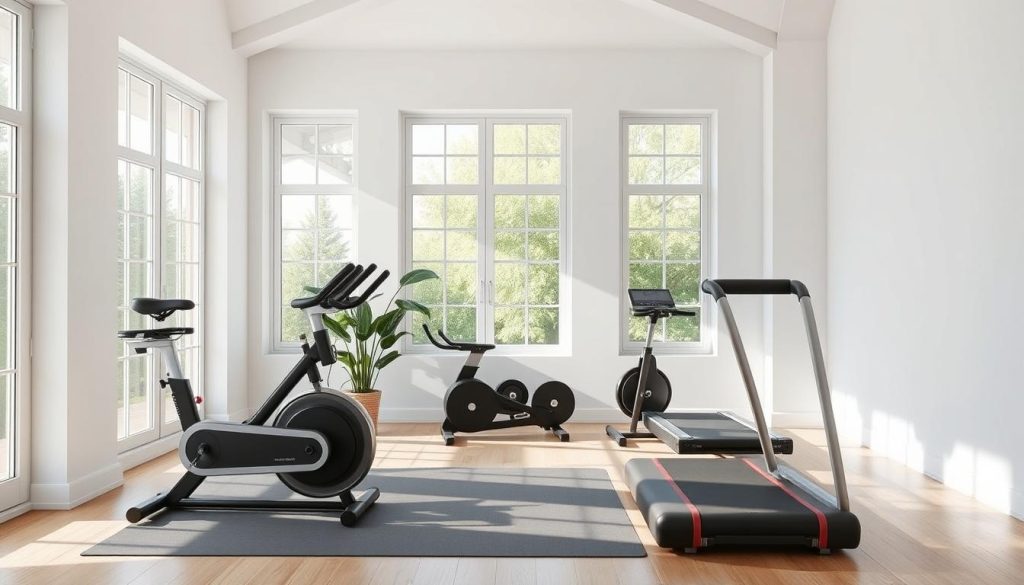
Start with the basics that offer maximum versatility. Adjustable dumbbells save space while providing multiple resistance options. A quality yoga mat protects your floors and adds comfort.
Storage solutions keep your area organized and safe. Wall-mounted racks or storage bins prevent tripping hazards. This creates a professional feel in your personal space.
Basic Dumbbell and Kettlebell Exercises
Free weights form the foundation of any strength program. They engage multiple muscle groups simultaneously for efficient results.
Beginners should start with 5-10 pound dumbbells. Intermediate users often prefer 15-20 pounds. Advanced individuals may use 25+ pounds for challenging sets.
Kettlebells excel for dynamic movements like swings and cleans. Their unique shape allows for fluid motion patterns. This builds functional strength that translates to daily activities.
Always maintain proper form to prevent injury. Keep your core engaged during all movements. Control the weight throughout each rep for maximum benefit.
Using Body Weight for Effective Strength Training
You don’t always need equipment for a great workout. Bodyweight movements build serious strength when performed correctly.
Push-ups target chest, shoulders, and triceps effectively. Squats engage your entire lower body comprehensively. Planks develop core stability that supports all other movements.
Progress by increasing difficulty rather than adding weight. Elevate your feet for push-up variations. Try single-leg squats to challenge your balance and strength.
These exercises require minimal space and zero equipment. They’re perfect for travel or small living areas. Consistency with bodyweight training yields impressive results over time.
Cardio Equipment Options for Home Use
Cardiovascular health matters as much as strength development. The right equipment makes regular cardio sessions enjoyable and effective.
Jump ropes offer incredible value for minimal investment. They improve coordination while burning calories efficiently. Even small spaces can accommodate rope jumping.
Stationary bikes provide low-impact options for joint health. Many fold for easy storage when not in use. They’re perfect for reading or watching shows while exercising.
Rowing machines deliver full-body cardiovascular benefits. They engage both upper and lower body muscle groups simultaneously. This makes them exceptionally time-efficient for busy schedules.
Choose equipment that fits your space and preferences. Consistency matters more than having every possible option. The best equipment is what you’ll actually use regularly.
Building Your Perfect weight loss exercise plan for women
Crafting your ideal fitness schedule feels like putting together a personalized puzzle. The pieces must fit your life, goals, and preferences perfectly.
Your custom routine should include three main components. Strength sessions build metabolic power. Interval training boosts calorie burn. Gentle cardio supports recovery.
Balancing Cardio and Strength Training Days
Alternate between resistance work and heart-pumping activities. This approach prevents overtraining while maximizing results.
Most women thrive with two to three strength sessions weekly. Add two to three cardio days for optimal fat burning. Always listen to your body’s signals.
The magic happens when you combine both training styles. Strength work builds metabolism-boosting muscle. Cardio creates immediate calorie expenditure.
Determining Optimal Workout Duration and Frequency
Effective sessions don’t require hours at the gym. Twenty-two minute workouts deliver impressive results when done consistently.
Beginners might start with three weekly sessions. Gradually build to five or six days as fitness improves. Quality always beats quantity.
Adults need 150 minutes of moderate activity weekly. Include two strength days minimum. Spread these throughout your week.
Incorporating Active Recovery Days
Rest days don’t mean complete inactivity. Light movement accelerates recovery and reduces soreness.
Try gentle walking, stretching, or yoga on recovery days. These activities promote blood flow without stressing your system.
Schedule one or two active recovery days weekly. Your muscles repair and grow during these periods. This prevents burnout and plateaus.
Sample schedules adapt to different time availability:
- 30 minutes daily: 20-minute workout + 10-minute stretch
- 45 minutes daily: 30-minute session + 15-minute walk
- 60 minutes daily: 45-minute training + 15-minute mobility work
Adjust your plan every four to six weeks. Increase intensity gradually as you grow stronger. Celebrate small victories along the way.
Consistency matters more than perfection. Missed days happen—just return to your routine. Your journey unfolds one day at a time.
4-Week Progressive Workout Schedule
Your fitness journey deserves a clear roadmap that grows with you. This structured approach ensures continuous improvement while preventing plateaus.
Each phase builds upon the previous week’s accomplishments. You’ll notice strength gains and endurance improvements throughout the program.
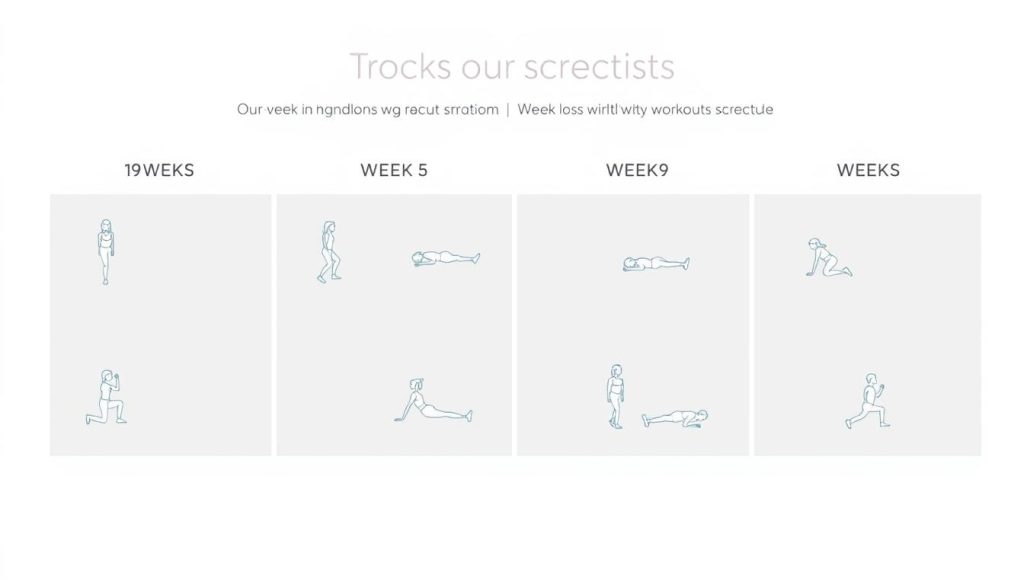
Week 1: Foundation Building Phase
This initial period focuses on establishing proper form and consistency. Your body adapts to new movement patterns and builds neuromuscular connections.
Perform three sets of twelve repetitions for strength movements. Complete twenty minutes of moderate cardio sessions. Include three rounds of metabolic conditioning.
Sample exercises include bodyweight squats, dumbbell rows, and push-ups. Focus on mastering technique before adding intensity.
Beginners might use lighter resistance or modify movements. Advanced individuals can maintain perfect form with challenging weights.
Week 2: Intensity Increase Strategies
Now we introduce progressive overload principles to stimulate adaptation. Your body responds beautifully to thoughtful challenges.
Increase resistance by five to ten percent where appropriate. Boost cardio intensity similarly through faster pace or added incline. Complete four rounds of conditioning work.
Your muscles develop greater efficiency during this phase. Neural pathways become more established for each movement pattern.
Track your performance in a simple journal. Note which exercises feel stronger and where you need more focus.
Week 3: Strength Focus and Weight Progression
This week shifts toward maximal strength development. Lower repetitions allow for heavier resistance while maintaining safety.
Reduce to three sets of eight repetitions with increased weight. Push cardio intensity another five to ten percent beyond week two. Complete five conditioning rounds.
Your body now burns calories more efficiently throughout the day. Muscle tissue becomes denser and more metabolically active.
Listen to your body’s recovery needs. Some days will feel stronger than others – that’s completely normal.
Week 4: Maximum Effort and Consistency
The final week brings everything together for peak performance. You’ve built the foundation and now showcase your progress.
Continue increasing resistance as form permits. Execute six full rounds of metabolic conditioning. Maintain your elevated cardio intensity.
Your routine now feels familiar and rewarding. Celebrate completing the entire four-week progression.
Many choose to repeat the cycle with slightly higher starting points. Others transition into more specialized training focus areas.
This structured approach delivers remarkable transformations when followed consistently. Each week builds toward the next level of fitness achievement.
Key Exercises for Maximum Fat Burn
Effective fat reduction starts with selecting powerful exercises. The right movements engage multiple muscle groups simultaneously for superior calorie expenditure.
Compound Movements for Full-Body Engagement
Compound exercises work several muscle groups at once. They create significant metabolic demand that continues after your workout.
These movements mimic real-world activities for functional strength. Your body burns more calories repairing and recovering from comprehensive engagement.
Squat to press combines lower and upper body work beautifully. Begin with feet shoulder-width apart holding weights at shoulders.
Lower into a squat keeping chest upright. As you rise, press weights overhead fully extending arms. Control the descent back to starting position.
Kettlebell swings develop explosive hip power. Hinge at hips with slight knee bend, swinging bell between legs. Thrust hips forward to swing bell to chest height.
Battle rope waves create incredible cardiovascular challenge. Alternate arms in rapid waves keeping ropes constantly moving. This elevates heart rate dramatically.
Lower Body Exercises for Major Calorie Burn
Your lower body contains large muscle groups that burn substantial calories when activated. These exercises create metabolic disturbances that last hours.
Goblet squats maintain excellent spinal alignment. Hold one weight vertically against chest with both hands. Squat deep while keeping elbows inside knees.
Walking lunges build unilateral strength and balance. Step forward into lunge position, lowering back knee toward floor. Push through front heel to return to standing.
Deadlifts develop posterior chain strength effectively. Hinge at hips with neutral spine, lowering weights toward floor. Squeeze glutes to return to standing position.
Always maintain proper form to prevent injury. Keep core engaged during all lower body movements. Control the eccentric portion of each repetition.
Upper Body Strength Exercises for Metabolism Boost
Building upper body muscle significantly increases resting metabolic rate. More muscle tissue means higher daily calorie burn even at rest.
Incline push-ups are perfect for building chest strength. Place hands on elevated surface with body in straight line. Lower chest toward surface then push back up.
Rows develop back muscles that improve posture. Pull weights toward chest while squeezing shoulder blades together. Slowly return to starting position with control.
Overhead presses build shoulder strength and stability. Press weights directly overhead without arching lower back. Lower weights with control to shoulder height.
Lat pulldowns mimic pull-up motion for back development. Pull bar toward chest while keeping torso upright. Slowly return bar to starting position.
Perform three sets of eight to twelve repetitions for each exercise. Rest forty-five seconds between sets for metabolic effect.
Combine these movements into circuits for maximum calorie burn. Alternate between upper and lower body exercises to maintain intensity.
Progress by increasing weight gradually as strength improves. Advanced variations include single-leg movements and explosive versions.
Your body responds beautifully to these strategic exercise selections. Consistent practice yields remarkable metabolic advantages over time.
Nutrition and Lifestyle Support for Exercise Success
Your fitness transformation extends beyond movement alone. What happens outside your sessions determines your results just as much as the workouts themselves.
Proper nourishment, quality rest, and smart hydration create the foundation for progress. These elements work together to maximize your efforts and accelerate your journey.

Fueling Your Workouts with Proper Nutrition
Eating well powers your performance and recovery. The right foods provide energy for intense sessions and help repair muscles afterward.
Focus on whole foods that nourish your system. Fresh fruits and vegetables offer essential vitamins. Complex carbohydrates provide sustained energy.
Lean proteins support muscle repair and growth. Include sources like chicken, fish, and plant-based options. Healthy fats from nuts and oils aid hormone function.
Pre-workout nutrition should include easily digestible carbs and protein. Try a banana with almond butter about 30-60 minutes before activity.
Post-workout meals help recovery within 45 minutes after finishing. Combine protein with carbohydrates to replenish energy stores.
Sample timing around sessions:
- Morning workouts: Light snack before, balanced breakfast after
- Afternoon sessions: Regular lunch, post-workout shake
- Evening training: Dinner afterward with lean protein and veggies
The Critical Role of Sleep in Weight Management
Quality rest impacts your results more than many realize. During sleep, your body repairs tissues and balances hormones.
Insufficient rest disrupts appetite-regulating hormones. This can increase hunger and cravings for less healthy options.
Aim for seven to nine hours of quality sleep nightly. Consistent sleep patterns support metabolic health and recovery.
Improve your sleep environment for better rest:
- Keep your bedroom cool and dark
- Establish a regular bedtime routine
- Limit screen time before sleeping
- Create a comfortable sleeping space
Proper rest helps manage stress levels too. Lower stress supports better decision-making around food and activity.
Hydration Strategies for Optimal Performance
Water plays a crucial role in every bodily function. Proper hydration supports energy levels and digestion.
Drink water throughout the day rather than only during workouts. Carry a reusable bottle as a constant reminder.
Before activity: Consume 16-20 ounces of water two hours prior
During sessions: Sip 7-10 ounces every 10-20 minutes
After finishing: Replace fluids by drinking 16-24 ounces
Monitor your hydration status through urine color. Pale yellow indicates proper hydration levels.
Remember that other lifestyle factors influence your progress. Alcohol consumption can affect sleep quality and recovery.
Moderate intake supports better results. Stress management techniques like meditation help maintain balance.
These supportive practices work together with your training. They create the comprehensive approach needed for sustainable transformation.
Staying Motivated and Tracking Your Progress
Your transformation journey requires consistent effort and smart tracking. Celebrating small wins keeps you engaged through challenges.
Many people find motivation ebbs and flows naturally. Having clear systems helps maintain momentum during slower periods.
Setting Realistic Weight Loss Goals
Create SMART objectives that guide your efforts effectively. Specific targets provide clear direction for your actions.
Measureable goals help track improvements over time. Attainable targets prevent frustration and maintain enthusiasm.
Relevant objectives align with your personal priorities. Time-based deadlines create helpful urgency without pressure.
Focus on action-based targets rather than results. Examples include completing three weekly sessions or drinking eight glasses of water daily.
Non-Scale Victories to Celebrate
Your progress appears in many forms beyond numbers. Notice improved energy levels throughout your day.
Celebrate clothing fitting better or feeling looser. Recognize increased strength during daily activities.
Improved sleep quality and mood are significant wins. Better endurance during workouts shows real progress.
Other non-scale achievements include:
- Consistently completing your scheduled sessions
- Choosing nutritious foods without struggle
- Receiving compliments on your appearance
- Feeling more confident in your abilities
Adjusting Your Plan Based on Results
Review your progress every four to six weeks regularly. Body composition scans provide detailed insights.
These measurements show fat mass and muscle changes. They reveal visceral fat reduction and metabolic age improvement.
If results plateau, consider these adjustments:
- Increase workout intensity gradually
- Modify your exercise selection
- Adjust nutritional intake slightly
- Enhance recovery through better rest
Build a support system for accountability and encouragement. Friends, family, or groups provide motivation during challenges.
Recognize when to push harder versus when to recover. Listen to your body’s signals for optimal progress.
Your journey evolves as you grow stronger and more confident. Each adjustment brings you closer to lasting success.
Conclusion: Embracing Your Fitness Journey
Your path to better health starts with one simple step. Remember, there’s no magic formula—just consistent effort and smart choices.
Combine enjoyable movement with balanced nutrition for lasting results. Celebrate every small victory along the way.
This journey belongs uniquely to you. Embrace the process, stay patient, and find joy in your progress.
Your efforts today build a healthier tomorrow. Keep moving forward with confidence and pride.