


Welcome to your complete guide on building a powerful fitness plan. This article shows you how to mix strength moves and cardio for top results.
You will learn why a smart workout schedule is key for changing your body. Building lean tissue helps your metabolism work better all day.
We break down a weekly plan that targets your upper, lower, and full body. Understand the science behind why resistance training works so well for long-term health.
This program fits all levels, from starters to experts. Get ready to transform your lifestyle with confidence and knowledge.
Key Takeaways
- Combining strength and cardio maximizes calorie burn.
- A structured weekly plan ensures balanced muscle development.
- Building muscle boosts metabolism, even during rest periods.
- Proper form and recovery are essential for success and safety.
- The program is adaptable for all fitness levels and goals.
- Understanding exercise science leads to sustainable results.
- Personalization makes the journey enjoyable and effective.
Why a Lifting Routine is Your Secret Weapon for Weight Loss
Beyond traditional cardio lies a metabolic secret that accelerates fat burning. Many fitness enthusiasts focus only on running or cycling, missing out on the powerful benefits of resistance exercises.
Research confirms that physical activity plays a crucial role in body transformation. Strength sessions increase your metabolism over time, meaning you’ll torch more calories even during rest periods.
This metabolic boost helps create the calorie deficit needed for successful transformation. Unlike cardio alone, building lean tissue through resistance work provides lasting benefits.
The afterburn effect is one of the most exciting advantages. Your body continues burning calories for hours after each session, even while you’re relaxing.
Compound movements engage multiple muscle groups simultaneously. This approach maximizes calorie expenditure during every workout minute.
When reducing calorie intake, resistance training prevents muscle breakdown. This preservation maintains your metabolic health and keeps your engine running efficiently.
Improved insulin sensitivity is another hidden benefit. Your body manages blood sugar more effectively, supporting overall health and energy levels.
You might notice something interesting on your journey. The scale might not move dramatically, but your clothes will fit differently as inches disappear.
Strength development creates a toned, athletic appearance rather than just reduced numbers. This physical change often brings increased confidence and mental well-being.
Combining cardiovascular exercise with resistance work delivers the most effective results. This powerful duo addresses both immediate calorie burning and long-term metabolic enhancement.
Proper training can significantly boost your self-esteem during this process. The mental health benefits are just as important as the physical transformations.
This approach works for all fitness levels and ages. Whether you’re new to exercise or looking to enhance your current program, these principles apply.
Remember that consistency beats intensity every time. Showing up regularly for your scheduled sessions creates lasting change that quick fixes cannot match.
Your journey toward better health deserves this powerful strategy. Embrace the metabolic advantages that resistance training brings to your transformation goals.
Understanding the Science of Weight Loss and Muscle
At the core of every successful transformation journey lies a fundamental understanding of how our bodies process energy. This knowledge transforms your approach from guesswork to strategic action.
Science reveals why certain methods work while others fall short. Understanding these principles helps you make informed decisions about your fitness program.
The Energy Balance Equation: Calories In vs. Calories Out
Your body operates on a simple energy equation. You must create a deficit by burning more energy than you consume through food.
This principle forms the foundation of all body composition changes. Different types of exercise affect your daily energy expenditure in unique ways.
Cardio activities like brisk walking or cycling elevate your heart rate immediately. Strength sessions create lasting metabolic benefits that continue working for you.
The thermic effect of food plays a crucial role in this equation. Protein requires more energy to digest, supporting your muscle building efforts during this process.
EPOC (Excess Post-Exercise Oxygen Consumption) represents the afterburn effect. Your body continues burning calories for hours after intense sessions.
Why Muscle Mass is a Metabolic Powerhouse
Muscle tissue behaves differently than fat in your body. It’s metabolically active, burning calories around the clock unlike passive fat stores.
This metabolic activity significantly impacts your basal metabolic rate. Building lean tissue through proper training increases your resting energy expenditure.
Hormone regulation through exercise affects how your body stores fat. Improved insulin sensitivity helps manage blood sugar more effectively.
Mitochondrial density in muscle cells determines your energy production capacity. More mitochondria mean better energy utilization during all activities.
Building quality tissue helps prevent regain after initial success. This creates sustainable results rather than temporary changes.
According to guidelines, adults should aim for at least 150 minutes of cardio weekly. This supports overall health while complementing your strength efforts.
“Muscle is the engine that drives your metabolism, working tirelessly even when you’re at rest.”
This scientific understanding empowers your fitness journey. You can now approach your schedule with confidence and clarity.
Building Your Ultimate Weight Loss Lifting Routine
Creating the perfect exercise program requires smart exercise selection and strategic planning. The right combination of movements can transform your results dramatically.
Focus on exercises that deliver maximum impact for your effort. This approach ensures every minute of your training session works hard for you.
Compound Strength Exercises for Maximum Calorie Burn
Compound movements engage multiple muscle groups simultaneously. They create a powerful metabolic response that continues working long after your session ends.
Squats target your legs, glutes, and core in one efficient movement. This triple-threat approach maximizes calorie expenditure during each repetition.
Deadlifts work your entire posterior chain from shoulders to calves. They build functional strength while creating significant metabolic disturbance.
Bench press develops your chest, shoulders, and triceps together. This upper body compound movement supports overall muscle development.
These multi-joint movements outperform isolation exercises for fat reduction. They stimulate more muscle fibers and elevate your heart rate significantly.
Proper form ensures safety and maximizes results. Always prioritize technique over heavy weights, especially when starting your program.
High-Impact Cardio Exercises to Torch Fat
Cardiovascular exercise complements your strength training perfectly. The right cardio choices can accelerate your progress dramatically.
Rowing machines provide full-body engagement with low joint impact. This equipment works your upper and lower body simultaneously for maximum calorie burn.
Treadmill sprints create powerful metabolic boosts. Short bursts of high intensity followed by recovery periods maximize fat burning.
Jump rope offers incredible intensity in a simple package. This portable exercise tool delivers serious cardiovascular benefits anywhere.
Group fitness classes add variety and motivation to your routine. Options like indoor cycling, dance workouts, and cardio kickboxing keep your sessions fresh and engaging.
Circuit training combines strength and cardio elements seamlessly. Moving between exercises with minimal rest maintains elevated heart rate throughout your workout.
HIIT principles can be incorporated into any training session. Alternating between high-intensity bursts and recovery periods creates optimal metabolic conditions.
“The best workout is the one that challenges your body while keeping you engaged and motivated.”
Progressive overload ensures continuous improvement over time. Gradually increasing intensity, weight, or duration keeps your body adapting and changing.
Remember that consistency matters more than perfection. Showing up for your scheduled sessions creates the foundation for lasting transformation.
Your perfect program should fit your lifestyle and preferences. Enjoyable workouts lead to better adherence and ultimately better results.
How Often Should You Train for Optimal Results?
Finding your perfect training rhythm is key to seeing real changes in your body. The right frequency keeps you moving forward without burning out.
Your weekly schedule should balance activity with recovery. This approach supports both immediate progress and long-term health.
Most people thrive on consistent, moderate-intensity sessions. Listen to your body’s signals to find what works best for you.
Weekly Cardio Recommendations for Fat Loss
Cardiovascular activity plays a crucial role in any fitness program. It helps create the energy deficit needed for body transformation.
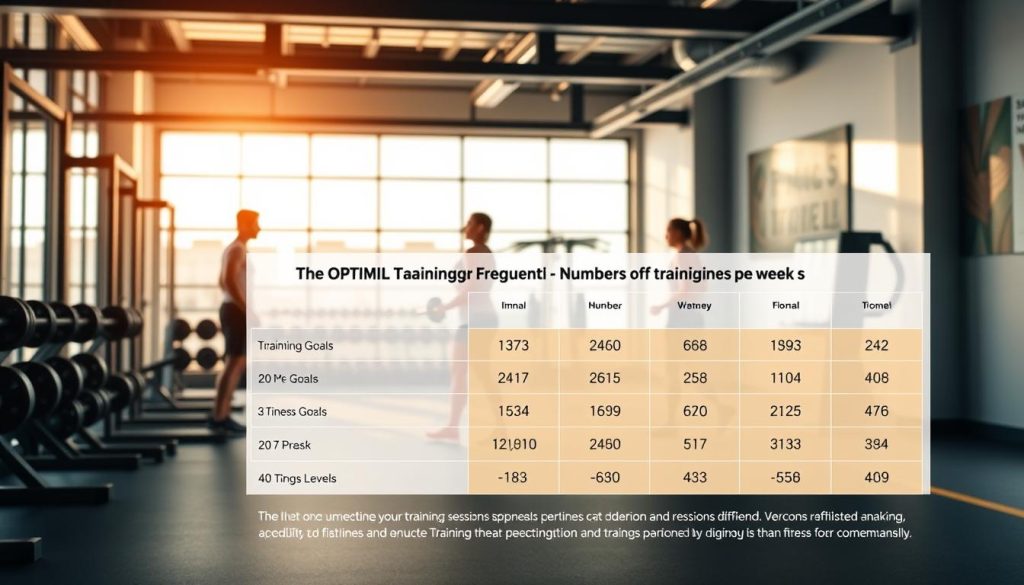
Experts recommend at least 150 minutes of moderate cardio weekly. This can be broken into manageable sessions that fit your lifestyle.
Choose from these effective weekly schedules:
- 7 days: 20-25 minutes per session
- 6 days: 25 minutes per session
- 5 days: 30 minutes per session
- 4 days: 35-40 minutes per session
These options provide flexibility while ensuring consistent heart health benefits. Pick the pattern that matches your current fitness level.
Variety in your cardio choices keeps things interesting. Alternate between walking, cycling, swimming, or group classes.
The Essential Role of Strength Training Sessions
Building lean tissue through resistance work transforms your metabolism. This metabolic boost continues working long after your session ends.
Aim for at least two strength sessions weekly for noticeable changes. These workouts help preserve muscle while creating a calorie deficit.
Each session should target different muscle groups for balanced development. Allow 48 hours between working the same muscle groups for proper recovery.
Progressive overload ensures continuous improvement over time. Gradually increase intensity or resistance to keep challenging your body.
Watch for signs of overtraining like persistent fatigue or decreased performance. Adjust your schedule if you experience these symptoms.
Active recovery days support your overall progress. Light movement on rest days promotes circulation and reduces soreness.
“Consistent, balanced training creates sustainable results that last far beyond quick fixes.”
Your ideal schedule evolves with your fitness journey. Start with what feels manageable and build from there.
Remember that rest is just as important as activity. Proper recovery allows your body to adapt and grow stronger.
Finding your perfect training rhythm takes some experimentation. Be patient and adjust based on how your body responds.
Crafting Your Perfect Weekly Workout Schedule
Now that you understand the fundamentals, let’s build your ideal seven-day plan. This balanced approach maximizes results while keeping your body fresh and motivated.
Each day serves a specific purpose in your transformation journey. You’ll alternate between strength development, cardiovascular health, and essential recovery.
This framework adapts easily to your personal preferences and available time. Remember that consistency matters more than perfection in any fitness program.
Monday: Upper Body Strength Focus
Start your week with exercises that target your chest, back, and arms. These movements create metabolic stimulation that lasts throughout your day.
Include push-ups, dumbbell presses, and rowing motions. Aim for 3-4 sets of 8-12 reps per exercise for optimal muscle engagement.
Proper form ensures safety and maximizes calorie expenditure. Focus on controlled movements rather than rushing through your session.
Tuesday: Cardio and Endurance
Cardiovascular training boosts your heart health and accelerates progress. Choose activities you enjoy to maintain long-term consistency.
A 30-minute jog, cycling session, or brisk walking works perfectly. Maintain a pace that elevates your heart rate while allowing conversation.
This sustained effort improves your endurance capacity over time. You’ll notice better performance in all your physical activities.
Wednesday: Lower Body Strength Day
Your legs contain large muscle groups that significantly impact metabolism. Training them properly creates powerful calorie-burning effects.
Squats and lunges form the foundation of an effective lower body day. These compound movements engage multiple muscle groups simultaneously.
Add variations like step-ups or glute bridges for complete development. You’ll build functional strength while shaping your physique.
Thursday: Active Recovery or Light Cardio
Recovery days prevent overtraining and support muscle repair. Light movement promotes circulation without adding significant stress.
Consider gentle yoga, walking, or swimming for active recovery. These activities maintain momentum while allowing your body to recharge.
Listen to your body’s signals and adjust intensity accordingly. Proper recovery ensures you’re ready for more intense sessions ahead.
Friday: Full Body Strength Circuit
Full body training maximizes calorie burn in minimal time. Circuit-style workouts keep your heart rate elevated throughout the session.
Combine upper and lower body exercises with minimal rest between sets. This approach creates metabolic conditions ideal for transformation.
You’ll develop balanced strength while improving cardiovascular fitness. These sessions deliver comprehensive benefits for overall health.
Saturday: High-Intensity Interval Training (HIIT)
HIIT sessions create powerful afterburn effects that continue working for hours. Short bursts of maximum effort followed by recovery periods maximize results.
Alternate between exercises like sprints, jumps, and bodyweight movements. This variety challenges your body in different ways while preventing boredom.
The intensity stimulates fat loss while preserving lean tissue. You’ll achieve more in less time compared to steady-state cardio.
Sunday: Full Rest and Recovery
Complete rest allows your body to repair and grow stronger. This day is just as important as your active training days.
Focus on hydration, nutrition, and quality sleep during your rest day. These elements support the hard work you’ve put in all week.
Mental recovery is equally valuable for long-term success. Return to your schedule feeling refreshed and motivated for the week ahead.
“The best schedule is the one you can maintain consistently while seeing steady progress toward your goals.”
Remember that this framework serves as a starting point. Adjust based on your personal preferences, available equipment, and time constraints.
Some people prefer more strength days while others enjoy additional cardio. Find the balance that keeps you engaged and seeing results.
Your perfect schedule evolves as your fitness level improves. Listen to your body and make adjustments that support your ongoing journey.
Your Progressive 4-Week Weight Loss Training Plan
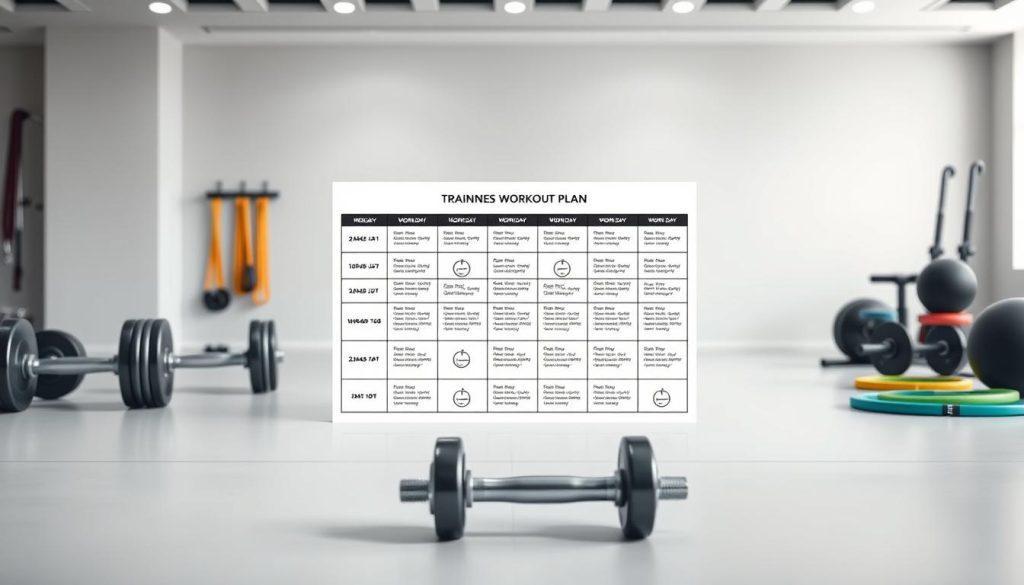
Ready to transform your body with a structured four-week progression? This carefully designed program builds intensity gradually while maximizing results.
Each phase serves a specific purpose in your journey. You’ll develop proper technique before increasing challenge levels safely.
Week 1: Building a Foundation
Your first seven days focus on establishing proper movement patterns. Mastering form prevents injury while creating muscle memory.
Complete three sets of twelve repetitions for lower body movements. These include goblet squats, deadlifts, and walking lunges.
Upper body development includes pullups, overhead presses, rows, and bench presses. Use manageable resistance that allows perfect technique.
Conditioning rounds combine squats, stepups, lunges, and burpees. Complete three rounds with focus on movement quality.
Week 2: Increasing Intensity and Volume
Your second week introduces progressive overload principles. Gradually challenge your body with increased demands.
Maintain the same exercise selection from your initial phase. Add slightly more resistance while maintaining excellent form.
Conditioning work expands to four complete rounds. This increased volume elevates your heart rate for longer periods.
Your body adapts to these new demands by building endurance. Notice improved stamina during each session.
Week 3: Boosting Strength and Power
Week three shifts toward strength development rather than endurance. Reduced repetitions allow for heavier resistance.
Perform eight repetitions per set with increased challenge. This stimulates different muscle fibers for comprehensive development.
Conditioning expands to five intense rounds. Your metabolic rate responds to this increased workload.
Power development becomes noticeable during this phase. Movements feel more explosive and controlled.
Week 4: Peak Performance and Fat Loss
Your final week represents your peak performance capability. Maximum effort yields impressive body composition changes.
Continue increasing resistance while maintaining proper technique. Challenge yourself appropriately without compromising safety.
Complete six rounds of conditioning work. This volume creates significant calorie expenditure during and after sessions.
Your transformation becomes visibly apparent during this phase. Clothing fits differently and energy levels soar.
“Progressive overload is the foundation of all physical transformation. Small, consistent challenges create remarkable changes over time.”
Track improvements through various metrics beyond scale measurements. Notice enhanced endurance, strength gains, and better recovery.
Consider deload weeks after completing this program. These recovery periods prevent plateaus while supporting long-term progress.
Your journey continues beyond these four weeks. Apply these principles to future training for ongoing success.
Essential Equipment for Your Home or Gym Routine
Building your perfect workout space doesn’t require breaking the bank. Smart equipment choices can create effective sessions anywhere you choose to train.
Your equipment selection depends on your available space and budget. Both home setups and commercial facilities offer unique advantages for your fitness journey.
Essential Strength Training Equipment
Certain tools form the foundation of any effective program. These items support comprehensive muscle development and calorie burning.
- Adjustable dumbbells or kettlebells for versatile resistance
- Barbell with weight plates for compound movements
- Pull-up bar or lat pulldown machine for back development
- Leg extension/curl machine for isolated lower body work
- Plyometric box for explosive power training
- Slam ball for dynamic core exercises
Budget-Friendly Home Gym Solutions
Creating an effective home setup can be surprisingly affordable. Many alternatives deliver similar benefits to expensive equipment.
Resistance bands provide adjustable tension in compact form. They’re perfect for travel or small spaces while supporting full-body development.
Stability balls enhance core engagement during various movements. They improve balance while adding challenge to traditional exercises.
Jump ropes offer incredible cardiovascular benefits for minimal cost. This simple tool elevates heart rate quickly during interval sessions.
Yoga mats create comfortable surfaces for floor exercises. They provide cushioning while defining your workout area.
“The best equipment is the equipment you’ll actually use consistently. Choose tools that match your interests and space constraints.”
Commercial Gym vs Home Equipment Differences
Commercial facilities offer extensive equipment variety and heavy-duty construction. They provide social motivation and professional maintenance.
Home setups offer convenience, privacy, and no membership fees. They require less space but demand personal discipline for consistent use.
Multi-functional equipment provides excellent value for limited spaces. Adjustable benches, power racks, and cable systems serve multiple purposes.
Creating Effective Workouts With Minimal Equipment
You can achieve impressive results with just a few key items. Bodyweight exercises combined with minimal equipment deliver comprehensive benefits.
DIY alternatives include using water jugs as weights or chairs for step-ups. Get creative with household items when starting your program.
Important Supporting Gear
Quality footwear provides stability during dynamic movements. Proper shoes reduce injury risk while enhancing performance.
Moisture-wicking apparel keeps you comfortable during intense sessions. Appropriate clothing supports unrestricted movement and temperature regulation.
Tracking devices monitor heart rate, calories burned, and progress. Fitness apps help structure your program while maintaining motivation.
Organization and Maintenance Tips
Storage solutions keep your space tidy and safe. Wall mounts, racks, and containers prevent tripping hazards.
Regular equipment maintenance ensures longevity and safety. Clean surfaces after use and check for wear periodically.
Your equipment should support your goals without complicating your lifestyle. Choose items that fit your space, budget, and personal preferences.
Remember that consistency matters more than equipment quality. The best tools are the ones you’ll use regularly toward better health.
Top Mistakes to Avoid on Your Weight Loss Journey
Many people stumble on their fitness journey by making avoidable mistakes that slow progress. Recognizing these common errors can help you stay on track and achieve better results faster.
Understanding what not to do is just as important as following the right steps. This knowledge prevents frustration and keeps your motivation strong throughout your program.

Setting Unrealistic Fitness Goals
Aiming for dramatic changes too quickly often leads to disappointment. Sustainable transformation happens gradually, not overnight.
Healthy progress typically means 1-2 pounds per week. Rapid changes often result from water loss or muscle reduction rather than fat reduction.
Measurable, achievable targets keep you motivated. Celebrate small victories along the way to maintain enthusiasm for your schedule.
Tracking improvements beyond the scale provides better motivation. Notice how your clothes fit better or how exercises become easier over time.
Neglecting the Importance of Exercise Variety
Repeating the same movements week after week leads to plateaus. Your body adapts to familiar challenges, reducing their effectiveness.
Mixing different activities keeps your body guessing and progressing. Variety also prevents boredom, making your sessions more enjoyable.
Progressive overload ensures continuous development. Gradually increase intensity or try new movements to stimulate different muscle groups.
Different exercises target various areas for balanced development. This approach works your upper and lower regions equally for symmetrical results.
Skipping Rest Days and Recovery Time
Rest periods are when your body actually grows stronger. Continuous training without breaks leads to overtraining and decreased performance.
Recovery allows muscles to repair and rebuild properly. This process is essential for building lean tissue and improving endurance.
Hormonal balance depends on adequate recovery time. Proper rest supports metabolic health and optimal calorie burning.
Sleep quality directly affects your training performance and results. Aim for 7-9 hours nightly to support your fitness efforts.
Hydration plays a crucial role in recovery and overall health. Proper fluid intake supports every bodily function during your program.
“The smartest athletes understand that rest is not lost time but gained strength.”
Nutrition mistakes can undermine even the best training efforts. Fuel your body properly to support your activity level and goals.
Mental aspects of transformation deserve equal attention. Maintain motivation by focusing on how good movement makes you feel.
Remember that consistency beats intensity every time. Showing up regularly for manageable sessions creates lasting change.
Your journey toward better health deserves this thoughtful approach. Avoid these common pitfalls for smoother progress and better results.
Fueling Your Body: Nutrition Tips for Support
Your physical transformation depends on more than just your training program. What you eat plays a huge role in how your body responds to exercise.
Smart nutrition choices support your hard work in the gym. They provide energy for intense sessions and help your muscles recover afterward.
Whole foods give your body the nutrients it needs to perform well. Lean proteins, healthy fats, and complex carbohydrates work together for optimal results.
Protein intake is especially important during this process. It helps preserve muscle tissue while creating a calorie deficit.
Spread your protein consumption throughout the day for best results. This approach supports continuous muscle repair and development.
Carbohydrates fuel your most challenging workout sessions. They provide the energy needed for high-intensity movements and endurance activities.
Time your carb intake around your exercise schedule. Eating them before sessions gives you energy, while post-workout carbs aid recovery.
Healthy fats support hormone production and overall health. They help your body function properly during physical transformation.
Don’t fear fats – they’re essential for lasting success. Choose sources like avocados, nuts, and olive oil for maximum benefits.
Hydration affects every aspect of your fitness journey. Proper water intake supports metabolism and workout performance.
Drink consistently throughout the day, not just during exercise. This habit maintains optimal bodily functions and energy levels.
“Food is fuel, not just calories. Choose nutrients that support your active lifestyle and goals.”
Pre-workout nutrition prepares your body for action. A small meal or snack about an hour before exercise provides sustained energy.
Post-workout meals help your muscles repair and grow. Combining protein and carbs within an hour after training maximizes recovery.
Micronutrients deserve attention in any fitness plan. Vitamins and minerals support energy production, muscle function, and overall health.
Colorful fruits and vegetables provide these essential nutrients. Variety ensures you get all the benefits nature offers.
Create eating patterns that fit your lifestyle and schedule. Consistency in your nutrition approach supports consistency in your training results.
Your perfect eating plan should feel sustainable and enjoyable. Find foods you love that also love you back with good nutrition.
Remember that progress takes time and patience. Small, consistent improvements in your diet create big changes over weeks and months.
Your body will thank you for the quality fuel you provide. Proper nutrition makes every aspect of your fitness journey more effective and enjoyable.
Conclusion: Your Path to a Healthier, Stronger You
Your journey toward better health is about more than numbers on a scale. It’s about building sustainable habits that support your well-being for years to come.
Focus on consistency in your training schedule. Celebrate small victories like improved endurance or better sleep quality.
Track progress through various metrics beyond body measurements. Notice how your clothes fit or how daily activities feel easier.
Adjust your program as you advance to keep challenging your body. Variety prevents plateaus and maintains motivation over time.
Remember that rest days are essential for growth and recovery. Balance activity with proper nutrition and hydration.
The mental benefits of regular exercise are just as valuable as physical changes. Improved mood and confidence often accompany fitness journeys.
Embrace this lifestyle change with patience and self-compassion. Every step forward brings you closer to your strongest self.