


Welcome to your new fitness journey! This guide will show you how to transform your body using a simple yet powerful tool.
We’ll explore how structured bike routines can help you achieve amazing results. This approach works for all fitness levels and fits easily into daily life.
Combining these workouts with proper nutrition creates the perfect formula for success. You’ll discover sustainable methods that deliver long-term benefits.
Our comprehensive guide covers everything from choosing equipment to effective workout plans. Get ready to embrace a lifestyle change that truly works!
Key Takeaways
- Stationary bikes offer an accessible workout option for all fitness levels
- Proper nutrition combined with cycling creates optimal results
- This approach focuses on sustainable lifestyle changes rather than quick fixes
- The guide covers equipment selection and varied workout routines
- Consistent cycling routines provide long-term health benefits
- Tracking progress helps maintain motivation throughout your journey
- Both LISS and HIIT workouts will be explored for maximum effectiveness
Introduction: Your Path to Fitness Starts Here
Your journey toward better health and wellness begins with a single, powerful decision to change. This commitment to yourself sets the stage for incredible transformations ahead.
Stationary biking provides an excellent foundation for your wellness goals. It’s a low-impact activity that builds cardiovascular health while being gentle on joints.
Beyond physical benefits, starting this journey boosts confidence and mental wellbeing. Many people discover renewed energy and positive self-image through consistent activity.
This comprehensive guide will show you how to achieve remarkable results. You’ll learn effective techniques that work for beginners and experienced athletes alike.
If you’re new to fitness programs, don’t worry! Everyone starts somewhere. The stationary bike offers adjustable intensity perfect for any fitness level.
Home cycling workouts provide incredible convenience compared to gym memberships. You can exercise anytime without travel time or membership fees.
Research shows cycling can help people achieve significant wellness results. Many users report feeling stronger and more energetic within weeks.
We’ll progress from basic concepts to advanced training methods. This step-by-step approach ensures comfortable adaptation to your new routine.
Trust the process and commit to consistent effort. The results will follow when you maintain dedication to your health goals.
Realistic expectations are key to long-term success. Most people see noticeable improvements within 4-6 weeks of regular stationary bike workouts.
Remember that every minute on your bike contributes to better health. This investment in yourself pays dividends for years to come.
Understanding Weight Loss: The Calorie Deficit Principle
Understanding energy balance forms the foundation of physical change. The fundamental rule is simple: consume fewer calories than your body uses.
This creates what experts call a calorie deficit. Your body then taps into stored energy reserves to fuel daily activities.
Many people find combining nutrition adjustments with activity creates the most sustainable approach. This balanced method prevents extreme restrictions while delivering results.
What is Total Daily Energy Expenditure (TDEE)?
Your Total Daily Energy Expenditure represents all energy your body uses in 24 hours. Think of it as your personal daily calorie budget.
This number varies based on multiple factors like age, height, and daily routine. Knowing your TDEE helps create an effective nutrition plan.
Online calculators can provide estimates, but remember these are starting points. Your actual needs may differ based on individual metabolism.
The Four Components of Your TDEE
Your daily energy use comes from four main sources. Understanding these helps optimize your approach.
Basal Metabolic Rate represents calories burned simply by being alive. This includes breathing, circulation, and cell production.
Thermic Effect of Feeding accounts for energy used during digestion. Different foods require varying amounts of energy to process.
Exercise Energy Expenditure covers calories burned during structured activities. This includes your bike sessions and other planned movement.
Non-Exercise Activity Thermogenesis involves calories burned through daily living. This includes walking, shopping, and even fidgeting.
Increasing your overall energy expenditure through activity means you can eat more while maintaining progress. This makes your journey more enjoyable and sustainable.
Remember that TDEE calculators already include estimates for activity calories. You shouldn’t add these burned calories back to your daily food intake.
Stationary biking significantly boosts your exercise energy expenditure component. This makes it an excellent tool for creating the necessary deficit.
Track your progress and adjust as needed. Your needs may change as your body composition improves over time.
Why a Stationary Bike is a Powerful Tool for Weight Loss
Stationary bikes offer a unique combination of benefits that make them ideal for body transformation. This equipment provides an efficient path to better health without overwhelming complexity.
High Calorie Burn for Efficient Weight Management
Indoor cycling delivers impressive calorie expenditure. A thirty-minute moderate session can torch significant energy.
For a 125-pound person, this means about 210 calories. A 155-pound individual burns approximately 252 calories.
Those weighing 185 pounds can expect around 294 calories. Vigorous sessions increase these numbers substantially.
This makes stationary bike workouts a great way to create the necessary calorie deficit. Consistent effort yields noticeable results over time.
Low-Impact, Joint-Friendly Exercise
Unlike running or jumping activities, cycling is gentle on joints. The smooth pedaling motion protects knees, hips, and ankles.
This low-impact quality allows for frequent training sessions. Recovery time decreases while consistency improves.
People with joint concerns find stationary biking particularly accessible. It provides cardiovascular benefits without discomfort.
This feature makes it sustainable for long-term health maintenance. You can maintain activity levels without joint strain.
Adjustable Intensity for All Fitness Levels
Stationary bikes accommodate every fitness level through simple adjustments. Resistance settings allow customized challenge levels.
Speed variations let you control workout difficulty. Standing positions increase intensity naturally.
Beginners can start with gentle pedaling. Advanced users can push their limits with higher settings.
This adaptability makes the bike great for progressive training. Everyone can find their appropriate challenge level.
Home equipment availability adds convenience to your routine. No gym membership or travel time is required.
Additional Health Benefits Beyond Weight Loss
Your bike delivers rewards that go far beyond the scale. While many people start cycling for physical transformation, they discover numerous wellness advantages that keep them motivated long-term.
Improving Your Heart Health and Circulation
Regular pedaling strengthens your cardiovascular system remarkably. This activity makes your heart more efficient at pumping blood throughout your body.
Studies show consistent riders experience reduced risk of heart disease. Your blood pressure often improves with regular sessions.
Better circulation means more oxygen reaches your tissues and organs. This boost enhances your overall energy levels and vitality.
The mood-enhancing effects come from natural endorphin release. Many riders report feeling happier and less stressed after their sessions.
Building Strength in Your Lower Body
Cycling develops impressive functional strength in your legs. Your calves, hamstrings, and quadriceps all get stronger with each ride.
Higher resistance settings particularly build muscle tone. This development contributes to a healthier metabolism over time.
Stronger legs support better joint stability and injury prevention. Everyday activities like climbing stairs become noticeably easier.
These strength gains create motivation that extends beyond physical changes. Feeling capable and strong improves your confidence in all life areas.
Mental health benefits emerge from consistent routines. The combination of physical achievement and stress relief creates powerful positive effects.
Long-term health improvements make cycling worth maintaining. This activity supports your wellbeing for years to come.
Creating Your Effective Weight Loss Exercise Cycle
Building a successful fitness routine requires thoughtful planning and personalization. This structured approach helps you create sustainable habits that deliver real results.
Your personalized plan should reflect your unique lifestyle and aspirations. The right strategy makes your journey enjoyable rather than overwhelming.
Step 1: Define Your Goals and Schedule
Start by establishing clear, measurable objectives for your transformation. Specific targets create direction and purpose for your efforts.
Consider what you want to achieve through your stationary bike sessions. Common goals include improved endurance, better health markers, or clothing fit improvements.
Create a realistic weekly schedule that fits your life commitments. Consistency matters more than perfection when building new habits.
- Set specific targets: “I want to ride 30 minutes daily” beats vague intentions
- Schedule realistically: Morning sessions often work better for busy people
- Include recovery days: Rest is crucial for progress and injury prevention
- Track time commitments: Balance workout duration with other responsibilities
Remember that initial enthusiasm often fades after a few weeks. Building a sustainable routine means creating habits that survive motivation fluctuations.
Step 2: Select Your Workout Types
Variety keeps your routine engaging and effective. Different session types target various fitness aspects for comprehensive results.
Low-intensity steady rides build endurance and fat-burning capacity. These longer sessions develop your aerobic foundation.
High-intensity intervals boost metabolism and cardiovascular fitness. Shorter bursts of effort followed by recovery periods maximize calorie burn.
Many successful programs blend both approaches throughout the week. This balanced method prevents boredom while optimizing results.
“The best workout program is the one you’ll actually do consistently. Choose activities you enjoy rather than those you dread.”
Step 3: Track Your Progress and Adjust
Monitoring your journey provides motivation and valuable feedback. Multiple measurement methods show progress beyond scale numbers.
Take weekly photos and body measurements to track physical changes. Notice how clothes fit differently as your body composition improves.
Record your workout performance metrics regularly. Track distance, resistance levels, and how your perceived exertion changes over time.
Adjust your plan based on results and how you feel. Increase intensity gradually as your fitness level improves.
Celebrate non-scale victories like increased energy and improved mood. These successes often matter more than numbers on measuring devices.
Remember that plateaus are normal in any fitness journey. Small adjustments to your routine can restart progress when things stall.
Stay flexible and listen to your body’s signals. Some days might require lighter sessions while others allow for pushing limits.
Low-Intensity Steady State (LISS) Cycling Workouts
Low-intensity steady state workouts offer a gentle yet effective approach to fitness. These sessions involve maintaining a moderate pace for extended periods.
LISS training typically involves a 6/10 effort level. You should be able to hold a conversation while pedaling.
Most people find 30-60 minute sessions work best. This duration provides substantial benefits without excessive strain.
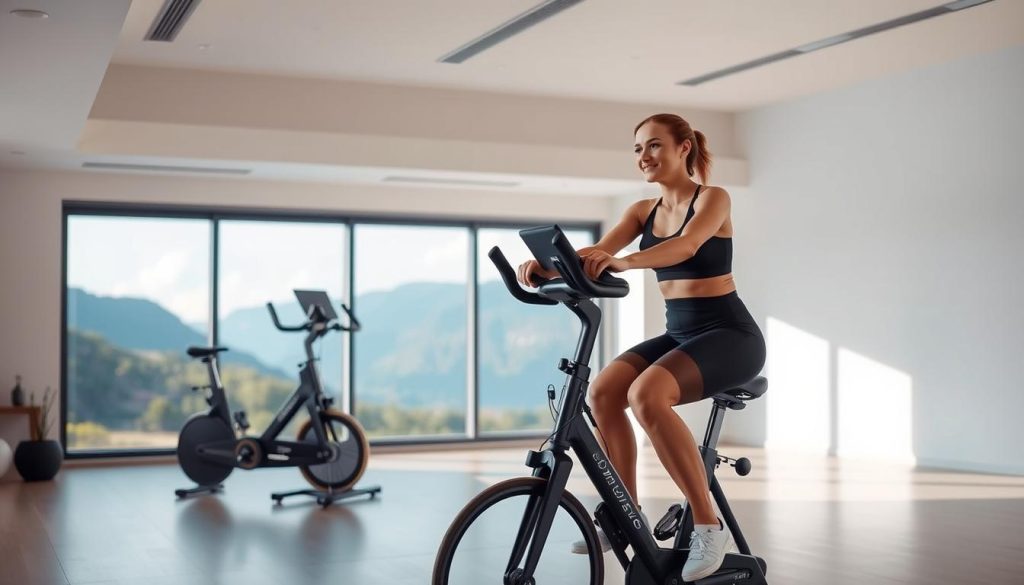
These workouts create a significant calorie burn over time. A 155-pound person can torch around 504 calories per hour.
Three weekly sessions totaling 180 minutes burn approximately 1512 calories. This contributes meaningfully to your overall energy deficit.
Remember that losing one pound requires a 3500 calorie deficit. LISS workouts reduce the dietary adjustment needed for success.
This approach proves particularly beneficial for beginners. The manageable intensity encourages consistency and builds confidence.
People with joint concerns appreciate the low-impact nature. The smooth motion protects knees and hips while delivering results.
Your cardiovascular system receives excellent training through consistent LISS. Heart health improves with regular moderate sessions.
Many find the longer duration offers mental health benefits too. The rhythmic motion creates a meditative, stress-reducing effect.
Incorporate 2-3 LISS sessions weekly for optimal results. Space them throughout your schedule for balanced training.
Stay motivated by listening to podcasts or music during rides. Tracking your progress also helps maintain enthusiasm.
This training method forms a solid foundation for any fitness program. It builds endurance while supporting your broader health goals.
High-Intensity Interval Training (HIIT) Cycling Workouts
High-intensity interval training revolutionizes how we approach fitness. This powerful method alternates maximum effort bursts with recovery periods.
HIIT sessions deliver remarkable results in minimal time. Most workouts last just 10-20 minutes but provide extensive benefits.
The magic lies in the afterburn effect known as EPOC. Your body continues torching calories for hours after your session ends.
This approach improves cardiovascular fitness more efficiently than steady-state cardio. Your heart health gets a significant boost.
Reaching true maximum effort during intense intervals is crucial. This commitment separates good results from exceptional ones.
Proper timing makes these sessions effective. Typical structures use 30-60 second sprints followed by equal recovery periods.
Safety considerations matter with high-intensity training. Always warm up thoroughly and listen to your body’s signals.
HIIT proves particularly effective for breaking through plateaus. When progress stalls, these intense sessions can restart momentum.
Metabolic benefits extend far beyond calorie burning. Your body becomes more efficient at using energy throughout the day.
“HIIT transforms your metabolism in ways steady cardio cannot match. The short duration makes it accessible for busy schedules.”
Beginners can start with modified versions. Try 20 seconds of effort followed by 40 seconds of recovery.
Intermediate users might use 30-second sprints with 30-second rests. Advanced athletes can push 60-second efforts with shorter recovery.
Incorporate 2-3 HIIT sessions weekly for optimal results. Space them throughout your week to allow proper recovery.
This training method complements your overall fitness strategy. Combined with other approaches, it creates comprehensive results.
Remember that quality matters more than quantity. Focus on giving your all during those intense intervals.
Your journey becomes more efficient with these powerful sessions. They maximize results while respecting your time constraints.
Incorporating Spin Classes for Motivation
Group fitness sessions offer incredible benefits for your wellness journey. Spin classes provide structured routines without requiring personal planning.
Instructors guide every session with expertise and energy. They ensure proper form and maximum effort throughout your workout.
The group environment creates natural motivation that’s hard to replicate alone. Everyone’s energy pushes you to give your best performance.
Social accountability helps maintain consistency in your schedule. Knowing others expect you creates powerful commitment to your goals.
Varied class formats prevent boredom and training plateaus. Instructors mix music, intensity, and techniques to keep things fresh.
Live classes offer amazing atmosphere and immediate feedback. Virtual options provide flexibility while maintaining group energy.
Finding quality sessions that match your fitness level is important. Many gyms offer beginner through advanced options.
Incorporate 1-2 spin classes weekly into your comprehensive schedule. They complement home bike sessions beautifully.
Cost considerations vary from premium studios to affordable community options. Online platforms provide excellent budget-friendly alternatives.
Class participation can significantly accelerate your fitness progress. The combined energy often helps people achieve more than solo efforts.
“The collective energy in a spin room creates something magical – people consistently report achieving personal bests in group settings.”
This approach makes your journey more enjoyable and sustainable. The social connection enhances both results and overall experience.
Setting Up Your Exercise Bike for Success
Proper equipment setup transforms your workout experience from average to exceptional. Getting your bike adjusted correctly ensures comfort, safety, and maximum effectiveness during every session.
When your equipment fits your body perfectly, you’ll enjoy smoother sessions. This attention to detail makes your routine more enjoyable and sustainable long-term.
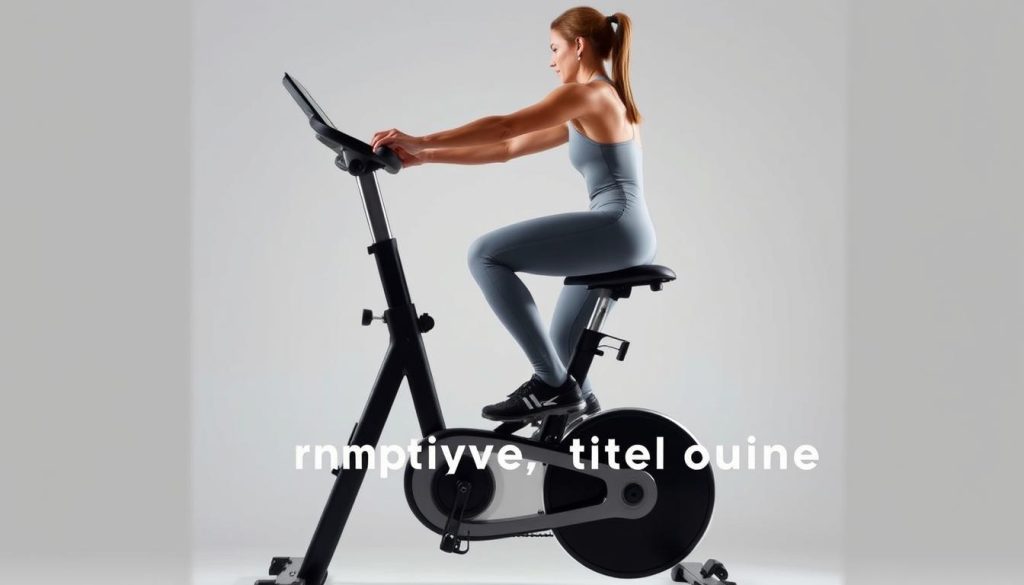
Let’s explore the key adjustments that make a significant difference. These simple steps help you get the most from your equipment investment.
Adjusting Seat and Handlebar Height
Begin with seat height adjustment for optimal leg extension. Stand beside your bike and position the seat at hip level.
Sit on the seat with your feet on the pedals. At the bottom of the pedal stroke, your knee should have a slight bend.
This position prevents strain on your knees and hips. It also allows for efficient power transfer during each revolution.
Handlebar positioning affects your upper body comfort. Adjust them to a height that keeps your back naturally aligned.
Your arms should rest comfortably with a gentle elbow bend. This reduces pressure on your wrists and shoulders.
Incorrect setup can lead to discomfort or potential injury. Take time to find your perfect positioning before starting.
Understanding Resistance Settings
Resistance controls determine your workout intensity level. Most bikes use numbered settings or tension knobs.
Lower numbers provide easier pedaling for warm-ups or recovery. Higher settings increase challenge for strength building.
Finding your ideal range depends on your fitness level and goals. Experiment with different settings during various session types.
For endurance rides, choose manageable resistance that allows sustained effort. Interval training benefits from alternating between challenging and recovery levels.
Recumbent and upright bikes may have different adjustment systems. Familiarize yourself with your specific model’s features.
Regularly reassess your settings as your fitness improves. What felt challenging initially may become easier over time.
Maintain proper form throughout your sessions for best results. Keep your shoulders relaxed and core engaged during pedaling.
Periodic setup checks ensure continued comfort and effectiveness. Small adjustments can make a big difference in your experience.
Proper setup makes your bike a powerful tool for achieving your goals. It enhances every aspect of your fitness journey.
The Role of Nutrition in Your Weight Loss Journey
Your nutritional choices form the foundation of your transformation success. While your bike sessions build fitness, what you eat determines your overall results.
Food provides the energy needed for effective workouts and recovery. Smart eating patterns support your goals without feeling restrictive.
Approximately 80% of body transformation success comes from kitchen decisions. The remaining 20% stems from your activity efforts.
This balance makes nutrition your most powerful tool. Understanding these principles helps you achieve sustainable progress.
Fueling Your Workouts and Recovery
Nutrient timing optimizes your energy levels throughout the day. Eating the right foods at appropriate times enhances performance.
Carbohydrates provide essential fuel for your cycling sessions. Complex carbs like oats and sweet potatoes offer sustained energy.
Protein plays a crucial role in muscle preservation during transformation. Adequate intake supports recovery and maintains lean mass.
Healthy fats contribute to hormone production and satiety. They help you feel full while supporting overall wellness.
Hydration significantly impacts both performance and progress. Water supports metabolism and helps regulate appetite.
Foods to Focus On and Foods to Limit
Emphasize nutrient-dense whole foods for optimal results. These choices provide maximum nutrition per calorie.
Excellent options include vegetables, lean proteins, and healthy fats. Turkey, chicken, avocados, and nuts offer great nutritional value.
Limit empty calories from alcohol, soft drinks, and processed sugars. These provide little nutritional benefit while adding unnecessary calories.
Portion control strategies help manage intake without excessive restriction. Using smaller plates and measuring servings creates awareness.
Keeping a food journal identifies hidden calories in your routine. This practice reveals patterns that might hinder progress.
A sustainable approach involves a 500-calorie deficit daily. This creates gradual, maintainable transformation over time.
Meal planning tips for busy schedules include preparing ingredients in advance. Having healthy options readily available prevents poor choices.
Remember that consistency matters more than perfection. Small, daily improvements create significant long-term results.
Using Heart Rate and Calories to Guide Your Effort
Your body provides valuable feedback during every workout session. Understanding these signals helps maximize your results and prevent burnout.
Monitoring your pulse offers real-time insight into workout intensity. This data helps you stay in optimal training zones for different goals.
Different heart rate zones serve specific purposes in your fitness plan. The fat-burning zone typically falls between 60-70% of your maximum heart rate.
Cardiovascular improvement happens at 70-80% of your maximum. High-intensity training pushes you into the 80-90% range.
Calculate your maximum heart rate using this simple formula: 220 minus your age. A 40-year-old person would have an estimated maximum of 180 beats per minute.
Training zones are percentages of this maximum number. Many fitness trackers automatically calculate these ranges for you.
Calorie estimates from equipment provide helpful guidance for nutrition planning. These numbers help you understand your energy expenditure.
Remember that machine calculations are estimates rather than exact measurements. They use averages that might not match your personal metabolism.
Use these numbers as general guides for your daily food decisions. They help maintain the energy deficit needed for physical transformation.
Heart rate variability (HRV) measures recovery readiness between sessions. Higher variability indicates better recovery and readiness for intense effort.
Many modern wearables track HRV along with heart rate data. This information helps prevent overtraining and schedule rest days appropriately.
Perceived exertion complements numerical data from monitors. Sometimes how you feel provides the most accurate guidance for intensity adjustment.
“Your body’s signals often tell you more than any monitor. Learn to listen to both the numbers and how you actually feel during activity.”
Technology enhances training through comprehensive data tracking. Smart watches and bike computers sync information to fitness apps.
This integration creates detailed records of your progress over time. You can spot patterns and make informed adjustments to your routine.
Consistent monitoring helps maintain motivation throughout your wellness journey. Seeing tangible improvements encourages continued effort.
Apply these insights to create smarter, more effective workout sessions. Data-driven decisions often lead to better long-term results.
Balance technology with body awareness for optimal training experience. Both approaches work together to guide your effort effectively.
Complement Your Cycling with Strength Training
Adding resistance work to your routine creates a powerful fitness combination. This approach enhances your results beyond what cardio alone can achieve.
Strength training protects your muscle tissue during calorie reduction. When you create an energy deficit, your body might use muscle for fuel without proper stimulus.
Resistance sessions signal your body to preserve lean mass. This maintains your metabolism while you work toward your goals.
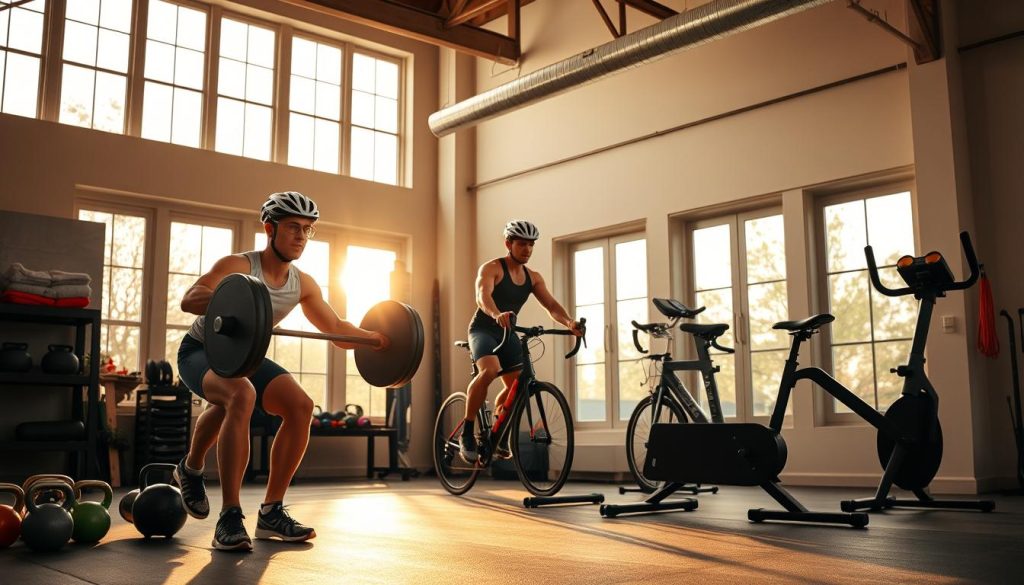
More muscle means a higher resting metabolic rate. Each pound of muscle burns more calories than fat tissue, even at rest.
This metabolic boost supports long-term wellness maintenance. Your body becomes more efficient at managing energy balance.
Compound movements deliver the most benefit for riders. These multi-joint exercises work several muscle groups simultaneously.
Squats build lower body power that translates directly to pedaling. Deadlifts develop posterior chain strength for better cycling posture.
Bench presses and overhead presses enhance upper body stability. This improves your comfort during longer riding sessions.
Strength work also prevents injuries by balancing muscle development. Cycling primarily works your quadriceps, creating potential imbalances.
Resistance training strengthens opposing muscle groups like hamstrings. This balanced development protects your joints and improves performance.
Many people worry about bulking up with strength training. This concern is largely unfounded for most individuals.
The lean muscle development from resistance work creates a toned appearance. You’ll look fit and strong without excessive size.
Proper form ensures safety and effectiveness in every session. Focus on controlled movements rather than heavy weights initially.
Gradual progression allows your body to adapt safely over time. Increase resistance or repetitions as exercises become easier.
Equipment options range from bodyweight exercises to free weights. You can start with simple movements at home before advancing.
Machines at your local facility provide guided movement patterns. These are excellent for beginners learning proper form.
Sample routines might include two weekly sessions on non-consecutive days. This schedule allows adequate recovery between activities.
A balanced program could feature squats, push-ups, rows, and planks. These fundamental movements build functional strength for daily life.
Your cycling performance improves with added power from strength work. Hills become easier and endurance increases noticeably.
“Strength and cardio training complement each other perfectly. Together they create results neither could achieve alone.”
This combined approach supports your overall wellness journey beautifully. You’ll feel stronger, more capable, and more confident in your body.
Choosing the Right Exercise Bike for Your Home
Selecting the perfect equipment for your home setup makes all the difference in your fitness journey. The right choice keeps you motivated and delivers better results over time.
Consider your available space, budget, and personal preferences. Different models offer various features that suit specific needs.
Quality equipment ensures comfortable, effective sessions. It also provides durability for long-term use.
Key Features to Look For
Resistance systems come in magnetic or friction types. Magnetic resistance offers smoother operation and quieter performance.
Display consoles show important metrics like distance and heart rate. Advanced models include Bluetooth connectivity for app integration.
Weight capacity matters for safety and stability. Look for bikes supporting at least 50 pounds above your current weight.
Build quality determines equipment longevity. Steel frames provide better durability than plastic components.
Noise level affects your household environment. Magnetic resistance bikes operate more quietly than friction models.
Popular options include the Marcy Club Revolution Cycle at $439.99. It features a 95-pound steel frame construction.
The Horizon Fitness 5.0U offers 100 magnetic resistance levels. Its Bluetooth connectivity enhances workout tracking.
Warranty coverage protects your investment. Look for comprehensive coverage on frame and components.
Maintenance requirements vary between models. Magnetic systems typically need less upkeep than friction bikes.
Upright vs. Recumbent Bike Comparison
Upright models provide traditional cycling positioning. They engage your core muscles more actively during sessions.
These bikes offer more intense workouts for calorie burning. The Schwinn 130 Upright features a high inertia flywheel.
Recumbent bikes feature comfortable seated positions with back support. They’re easier on joints and better for mobility concerns.
The Marcy Magnetic Recumbent supports up to 300 pounds. It offers eight resistance levels for varied intensity.
Space requirements differ between styles. Upright bikes typically need less floor space than recumbent models.
Storage options include folding designs for compact homes. Some models feature transport wheels for easy moving.
Price ranges vary across categories. Recumbent bikes often cost more due to additional framing.
The Horizon Fitness 5.0R Recumbent costs $599.99. It features step-through design and comfort seating.
Testing equipment before purchase helps ensure proper fit. Many fitness stores allow demonstration of floor models.
Your choice impacts long-term consistency and results. Select equipment that matches your goals and comfort needs.
“The best bike isn’t the most expensive one – it’s the one you’ll actually use consistently. Comfort and enjoyment determine long-term success.”
Budget considerations should balance quality and features. Mid-range models often provide the best value for home use.
Different features enhance specific workout types. Magnetic resistance supports smooth HIIT transitions.
Multiple resistance levels accommodate LISS sessions. Programmable consoles help track progressive overload.
Your equipment choice supports your entire wellness journey. It becomes your partner in achieving better health.
Staying Motivated and Consistent Over Time
Maintaining momentum becomes your greatest ally in achieving lasting results. Regular effort matters more than occasional intense sessions for sustainable progress.
Small daily actions create significant change over months and years. This approach prevents burnout while building durable habits.
Create simple accountability systems that work for your lifestyle. Tracking apps, workout buddies, or progress photos all provide effective motivation.
Variety keeps your routine fresh and engaging. Alternate between different session types and music playlists to maintain interest.
Celebrate non-scale victories like improved energy and better sleep. These achievements often matter more than numbers on measuring devices.
Schedule sessions during your most energetic times of day. Morning workouts often work best before daily responsibilities accumulate.
Adapt your plan for travel, illness, or busy periods. Shorter sessions maintain consistency when life gets complicated.
“Focus on the process rather than just outcomes. Falling in love with the activity itself creates natural consistency.”
Setbacks are normal in any long-term journey. View them as learning opportunities rather than reasons to quit.
Build identity as someone who values activity and health. This mental shift makes consistency feel natural rather than forced.
Your equipment becomes a trusted partner in this process. The convenience of home workouts eliminates common excuses.
Remember why you started when motivation dips. Reconnect with your original goals and aspirations.
Small consistent efforts compound into remarkable transformations. Trust that showing up regularly creates the change you want.
This approach makes your wellness journey enjoyable and sustainable. You’ll build habits that support your health for years to come.
Conclusion: Begin Your Transformation Today
Your journey to better wellness starts right now. This guide has shown how combining smart nutrition with regular activity creates lasting results.
Using an exercise bike offers a great way to boost your fitness. It helps burn calories efficiently while being gentle on your body.
Remember that small, consistent efforts lead to big changes over time. Start with just a few minutes each day and gradually build up.
You have all the tools needed for success. Trust the process and celebrate every step forward on your health journey.
Your brighter, healthier future awaits – take that first pedal today!